
Introduction
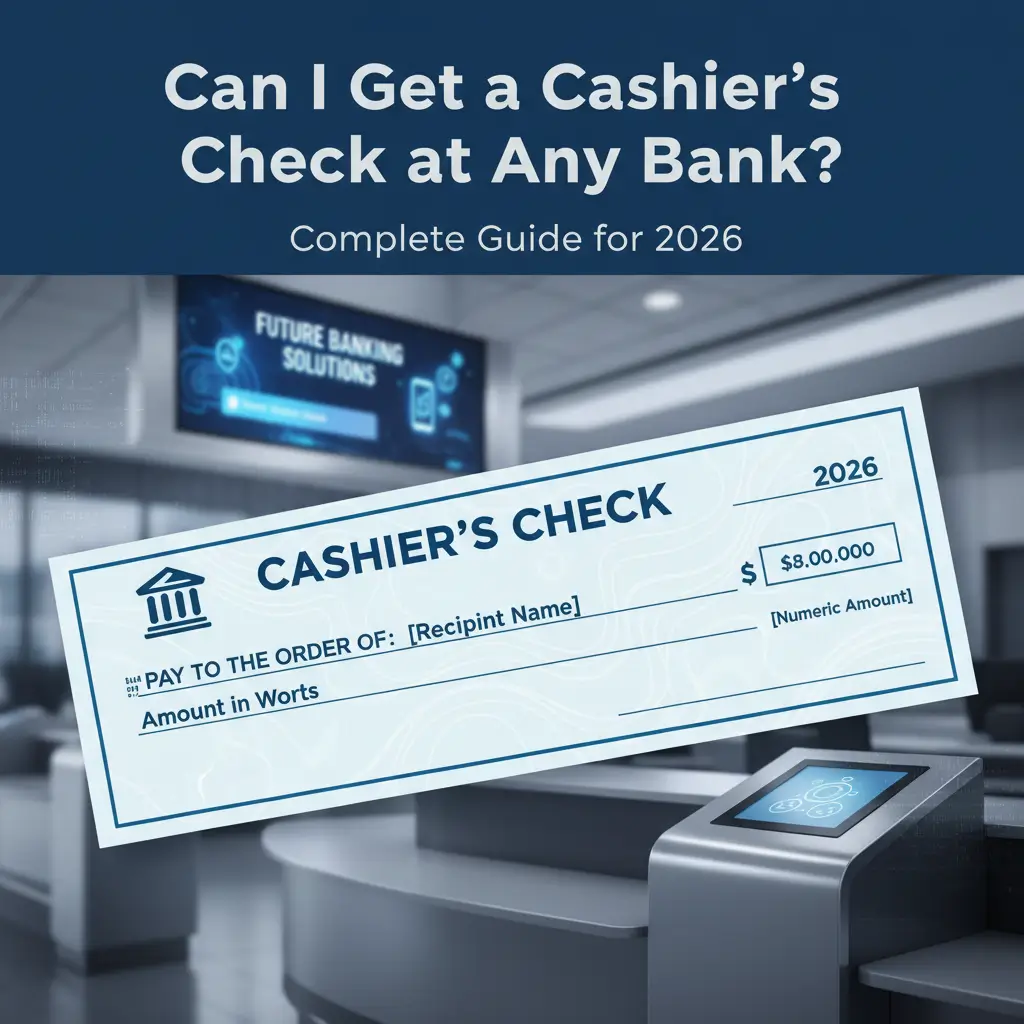
If you need to make a large payment or a secure transaction, a cashier’s check is often the safest way to do it. But many people wonder: Can I get a cashier’s check at any bank? The answer isn’t as simple as yes or no. While most banks offer cashier’s checks, availability, fees, and requirements can vary depending on the institution.
In this guide, we’ll explain how cashier’s checks work, which banks provide them, how to get one, and tips for using them safely.
What Is a Cashier’s Check?
A cashier’s check is a check guaranteed by a bank. Unlike a personal check, where funds come directly from your account, a cashier’s check is drawn from the bank’s funds. This makes it more secure and trustworthy for large transactions, such as:
- Buying a car
- Making a down payment on a house
- Paying contractors or private sellers
Cashier’s checks are widely accepted because the bank guarantees that the check will clear, reducing the risk of bounced checks.
Can You Get a Cashier’s Check at Any Bank?
Technically, most banks can issue a cashier’s check, but there are some caveats:
- You must have an account at the bank in most cases. Some banks allow non-account holders to purchase a cashier’s check, but fees are higher.
- Availability varies by bank—small or local banks may have limited cashier’s check services.
- Online-only banks may not offer cashier’s checks directly, though they sometimes partner with partner banks to provide the service.
So while cashier’s checks are widely available, it’s best to confirm with your bank before visiting.
Banks That Commonly Issue Cashier’s Checks
Here are some major banks that issue cashier’s checks:
- Chase Bank – Available for account holders, fees typically $10–$15.
- Bank of America – Offers checks for account holders with a fee around $10.
- Wells Fargo – Fees range from $10–$15 for most customers.
- Capital One – Some branches offer cashier’s checks; check availability online.
- Credit Unions – Most credit unions also provide cashier’s checks, often at lower fees.
Even smaller regional banks or community banks often provide cashier’s checks, making them accessible in most locations.
How to Get a Cashier’s Check
Step 1: Visit Your Bank
Go to a branch of your bank during business hours. Some banks may require an appointment for large checks.
Step 2: Provide Details
You’ll need to provide:
- The exact payee name (the person or company receiving the money)
- The amount of the check
- Sometimes, a reason for the payment
Step 3: Fund the Check
The bank will withdraw the funds from your account or take cash upfront to cover the check. Since the bank guarantees the payment, they need the funds immediately.
Step 4: Pay Fees
Most banks charge a fee of $5–$15 for a cashier’s check. Some banks waive fees for premium account holders.
Step 5: Receive the Check
After payment and verification, the bank prints the cashier’s check with the bank’s guarantee. You can then deliver it to the payee.
Cashier’s Check vs Personal Check
| Feature | Cashier’s Check | Personal Check |
|---|---|---|
| Funds Guaranteed | Yes | No |
| Issued By | Bank | Account Holder |
| Accepted For Large Transactions | Yes | Sometimes not accepted |
| Risk of Bounce | Low | Higher risk |
| Fee | $5–$15 | Usually free |
Cashier’s checks are ideal for transactions that require security and trust, while personal checks are better for everyday payments between known parties.
Tips for Using Cashier’s Checks Safely
- Verify the Payee Name – A cashier’s check is hard to cancel once issued.
- Keep Your Receipt – Always get a receipt from the bank as proof of payment.
- Watch Out for Scams – Never accept a cashier’s check from an unknown seller without verification.
- Confirm Funds Have Cleared – Ensure the recipient’s bank confirms deposit clearance.
- Use Secure Delivery – Hand-deliver if possible, or use tracked mail services.
Alternatives to Cashier’s Checks
If you cannot get a cashier’s check, consider:
- Bank Wire Transfer – Fast and secure but usually higher fees.
- Certified Check – Similar to a cashier’s check but drawn from your account.
- Digital Payment Services – Platforms like Zelle, PayPal, or Cash App for smaller payments.
These alternatives may offer convenience, but for large purchases like homes or cars, cashier’s checks are often preferred.
Conclusion
Yes, you can usually get a cashier’s check at most banks, but it is best to confirm availability and requirements with your specific bank. Cashier’s checks are safe, secure, and ideal for large transactions, but they come with fees and require precise payee details.
By understanding how they work and following the right steps, you can ensure your transactions go smoothly and securely.
FAQs
1. Can I get a cashier’s check at any bank without an account?
Some banks allow non-account holders to buy a cashier’s check, but fees are usually higher.
2. How much does a cashier’s check cost?
Most banks charge between $5–$15, though some may waive fees for premium account holders.
3. How long does it take to get a cashier’s check?
It is usually issued immediately at the bank once funds are available.
4. Is a cashier’s check safer than a personal check?
Yes, because the bank guarantees the funds, reducing the risk of bounce.
5. Can I cancel a cashier’s check?
It is possible, but the bank may require documentation and a waiting period, making cancellation more complicated than a personal check.