
Introduction
Opening a business bank account is one of the most important steps for entrepreneurs, small business owners, and freelancers. While many people start by using a personal bank account, mixing personal and business finances can lead to accounting headaches, tax complications, and even legal issues.
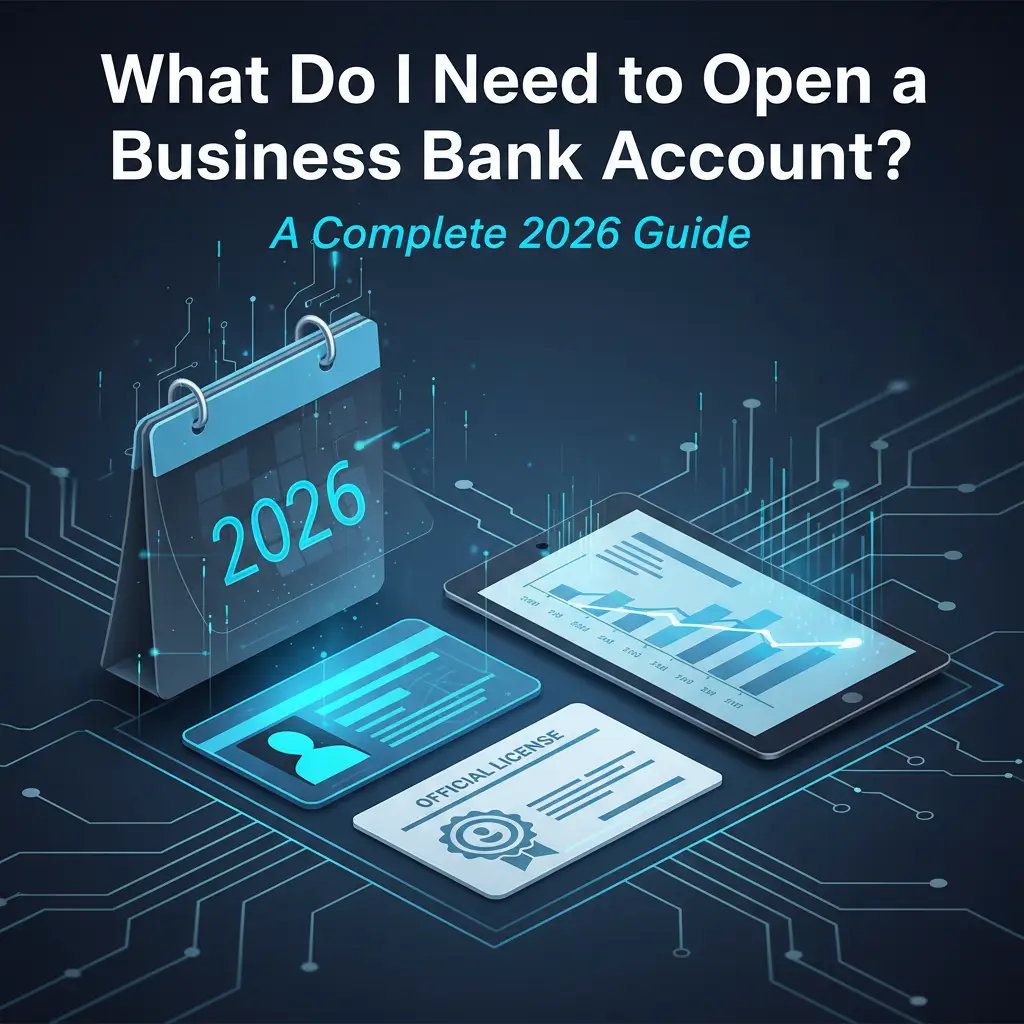
Many new business owners ask: “What do I need to open a business bank account?” The answer depends on your business type, location, and banking preferences. This comprehensive guide explains everything from required documents to choosing the best bank for your business in 2026. By following this guide, you can open a business account smoothly and ensure your finances are professional and organized.
Why You Need a Business Bank Account
Separating your business and personal finances isn’t just recommended—it’s essential. Here’s why:
- Professionalism: Clients and vendors will take your business seriously when payments are made to a business account rather than a personal account.
- Tax Organization: A separate account makes it easier to track income and expenses for tax filings.
- Build Business Credit: Using a dedicated account helps establish your business credit history.
- Secure Banking: Protects your personal assets and provides clear financial documentation.
- Banking Services: Many business accounts include tools like payroll processing, merchant services, and invoicing features.
Overall, a business bank account improves financial organization, credibility, and operational efficiency.
Step 1: Determine Your Business Structure
Before opening an account, identify your business type because requirements vary:
Sole Proprietorship
- Simplest structure.
- May only require a Social Security number or a DBA (Doing Business As) certificate.
Partnership
- Requires a partnership agreement.
- EIN (Employer Identification Number) is recommended.
Limited Liability Company (LLC)
- Requires Articles of Organization and Operating Agreement.
- EIN is required.
Corporation (C-Corp or S-Corp)
- Requires Articles of Incorporation and corporate bylaws.
- EIN is mandatory.
Choosing the right structure determines which documents your bank will require.
Step 2: Gather Required Identification
Banks need to verify the identity of everyone authorized to access the account. You will typically need:
- Driver’s License or Passport: Primary government-issued photo ID.
- Social Security Number (SSN): Required for tax and verification purposes.
- Additional IDs: Some banks may request a second form of identification for added security.
If multiple owners or signers are involved, each person must provide identification.
Step 3: Obtain an Employer Identification Number (EIN)
An EIN, also called a Federal Tax ID, is like a Social Security number for your business. Most businesses are required to have one, and even if you are a sole proprietor, an EIN is recommended to separate personal and business finances.
Benefits of an EIN:
- Legally identifies your business for taxes.
- Required for hiring employees.
- Needed to open a business bank account.
- Helps establish business credit history.
You can apply for an EIN for free on the IRS website, and it usually takes just a few minutes to get approval.
Step 4: Prepare Business Formation Documents
Depending on your business type, banks may request different documents:
Sole Proprietorship
- DBA (“Doing Business As”) certificate if operating under a business name.
- Business license (if required by your city or state).
Partnership
- Partnership agreement detailing roles, responsibilities, and profit sharing.
- EIN for the partnership.
LLC
- Articles of Organization filed with the state.
- Operating Agreement that outlines ownership and management.
Corporation
- Articles of Incorporation.
- Corporate bylaws describing management structure.
- EIN.
Having these documents organized ensures your bank account application goes smoothly.
Step 5: Obtain Business Licenses and Permits
Many banks require proof that your business is legally registered and authorized to operate. This can include:
- State or local business licenses
- Professional licenses (for regulated industries like health, construction, or finance)
- Home-based business permits (if operating from your residence)
Make sure your licenses are up to date to avoid delays when opening an account.
Step 6: Decide on the Type of Business Bank Account
Different banks offer various accounts tailored to business needs. Consider the following:
Checking Accounts
- For day-to-day transactions, paying bills, and receiving customer payments.
- Look for low fees, free online banking, and convenient debit card access.
Savings Accounts
- Helps set aside money for taxes, payroll, or future investments.
- Compare interest rates to maximize growth.
Merchant Accounts
- Needed if you plan to accept credit card payments from customers.
Business Credit Cards
- Helps build business credit and manage cash flow.
- Look for rewards or cashback benefits that match your business needs.
Choosing the right combination ensures your business banking aligns with operations and growth goals.
Step 7: Meet Minimum Deposit Requirements
Most banks require a minimum deposit to open an account. This can range from:
- $25–$100 for smaller community banks or credit unions.
- $100–$500 for larger national banks.
Some banks waive the minimum deposit if you meet certain conditions, such as maintaining a minimum balance or linking other business accounts.
Step 8: Set Up Online Banking and Payment Tools
Modern business banking relies heavily on digital tools. Make sure to:
- Activate online and mobile banking.
- Link payroll software for employee payments.
- Set up recurring payments or auto-bill pay.
- Monitor account activity for security and cash flow management.
Good online banking tools save time and reduce human error in managing finances.
Step 9: Add Authorized Signers
For LLCs and corporations, you may need multiple signers for checks, transfers, or loan approvals. Steps include:
- Identifying who will have access to the account.
- Collecting identification for all signers.
- Informing the bank of their authority in writing (Resolution of Authority).
This prevents internal disputes and ensures legal access for key personnel.
Step 10: Transfer Funds and Close Old Accounts (if applicable)
If you’re moving from a personal account or another business bank:
- Transfer funds to your new business account.
- Keep a small buffer in the old account to cover pending transactions.
- Close old accounts once all payments and deposits are cleared.
This step ensures your business finances are fully separated and organized.
Tips for Choosing the Right Business Bank
- Compare Fees – Look for low or waived monthly maintenance fees.
- Digital Features – Mobile deposits, accounting software integration, and alerts.
- Branch and ATM Access – Consider if you need in-person banking or frequent cash deposits.
- Customer Support – Responsive banking staff can save time when issues arise.
- Business Loans and Credit – Some banks offer perks for account holders like easier access to small business loans.
Common Mistakes to Avoid
- Using a personal account for business transactions.
- Not preparing all required documentation.
- Ignoring account fees or hidden charges.
- Failing to set up multiple signers for LLCs and corporations.
- Neglecting online banking tools that streamline operations.
Avoiding these mistakes ensures your business finances are secure and professional.
Benefits of Opening a Business Bank Account
- Clear separation of personal and business funds.
- Better recordkeeping for taxes and accounting.
- Builds credibility with clients, vendors, and investors.
- Access to business loans, credit cards, and merchant services.
- Easier management of payroll and recurring business expenses.
A properly set-up business account is an investment in your company’s long-term financial health.
FAQs
1. Can I open a business account without an EIN?
Sole proprietors can sometimes use their SSN, but an EIN is recommended for professionalism and privacy.
2. How much money do I need to open a business account?
Most banks require $25–$500, depending on the bank and account type.
3. Can multiple people access the account?
Yes, LLCs and corporations can add multiple authorized signers.
4. Do I need a business license?
Yes, banks typically require proof that your business is legally registered.
5. Can I open a business bank account online?
Yes, many banks allow online account opening, but some may require in-person verification.
Conclusion
Opening a business bank account is essential for professionalism, tax organization, and financial security. To recap, you generally need:
- Business formation documents (Articles of Organization, operating agreement, partnership agreement, or DBA)
- EIN or SSN
- Personal identification for account signers
- Business licenses or permits
- Initial deposit
By preparing all documents, choosing the right bank, and setting up proper account management tools, you can create a secure and organized financial foundation for your business.